

How Proper Roof Ventilation Protects Your Home from Mold and Moisture
December 11, 2025
•
Written By
Punum Roofing of Houston, Inc.
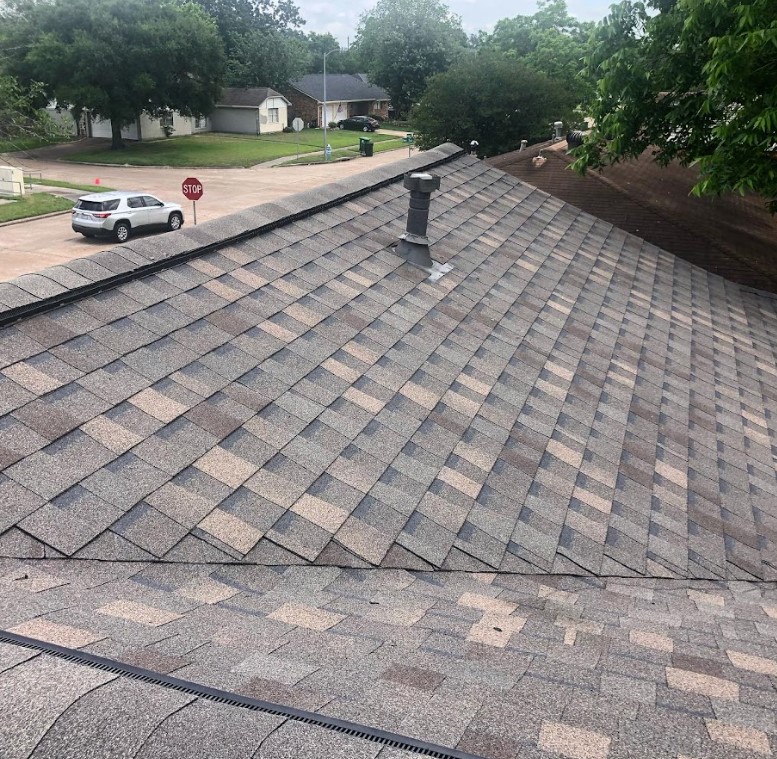
Most homeowners don’t think about roof ventilation until something goes wrong. A musty smell in the attic. Unexpected moisture. Rising energy bills. By the time those signs show up, the problem has usually been building for a while. Roof ventilation may be out of sight, but it plays a major role in keeping your home healthy, dry, and comfortable.
In a climate like Houston’s—where heat and humidity are constant companions—poor ventilation can quietly create the perfect conditions for mold and moisture damage. The good news is that proper roof ventilation doesn’t just fix problems; it prevents them. This guide breaks down how roof ventilation works, why it matters, and how it protects your home long before visible damage appears.
Key Takeaways to Keep in Mind
- Poor roof ventilation traps moisture that leads to mold growth
- Heat buildup in attics increases condensation and material breakdown
- Proper airflow protects roofing materials and indoor air quality
- Ventilation improvements often reduce energy costs and extend roof life
What Is Roof Ventilation and Why Does It Matter?
How does roof ventilation actually work?
Roof ventilation is the system that allows fresh air to enter your attic while pushing hot, moist air out. It relies on a balance between intake vents and exhaust vents to keep air moving continuously.
When ventilation works properly, it prevents heat and moisture from getting trapped in the attic. When it doesn’t, that trapped air creates a breeding ground for mold and accelerates roof deterioration.
How Does Poor Ventilation Lead to Moisture Problems?
Why does moisture build up in the attic?
Moisture enters your attic in more ways than most homeowners realize. Daily activities like cooking, showering, and laundry release warm, moist air that rises. Without proper ventilation, that moisture has nowhere to go.
In Houston’s humid climate, this problem compounds quickly. Warm air hits cooler surfaces, condensation forms, and moisture settles into insulation, wood decking, and framing. Over time, this creates structural issues that aren’t always visible from inside the home.
Why Is Mold a Common Result of Poor Roof Ventilation?
How does ventilation affect mold growth?
Mold thrives in warm, damp environments with limited airflow—exactly the conditions created by poor attic ventilation. Once moisture settles into wood or insulation, mold spores have everything they need to grow.
Mold doesn’t just damage materials. It can impact indoor air quality and trigger health concerns for occupants. Proper roof ventilation helps keep attic spaces dry, reducing the conditions mold needs to survive.
Can Poor Ventilation Damage Your Roof Structure?
What happens to roofing materials without airflow?
Heat and moisture are tough on roofing systems. When hot, damp air gets trapped, it accelerates the aging of shingles, weakens roof decking, and compromises structural integrity over time.
You may not see this damage right away, but it often shows up later as sagging areas, premature roof failure, or costly repairs that could have been avoided with proper ventilation.
How Does Roof Ventilation Help Control Indoor Comfort?
Why does attic airflow affect your living space?
An overheated attic acts like a blanket over your home, pushing heat downward into living spaces. That makes your air conditioning work harder and drives up energy costs.
Proper ventilation helps regulate attic temperatures, keeping your home more comfortable year-round. In Houston’s long cooling season, that airflow makes a noticeable difference in indoor comfort and monthly utility bills.
What Are the Warning Signs of Poor Roof Ventilation?
How can homeowners spot problems early?
Ventilation issues often show subtle signs before major damage occurs. Being aware of those signals can help you act early.
Common warning signs include:
- Musty odors coming from upper levels or attic spaces
- Excessive heat in upstairs rooms
- Condensation on attic surfaces
- Damp or compressed insulation
- Premature shingle wear or curling
If you notice one or more of these, your roof ventilation may not be doing its job.
What Types of Roof Ventilation Are Used in Residential Homes?
How do intake and exhaust systems work together?
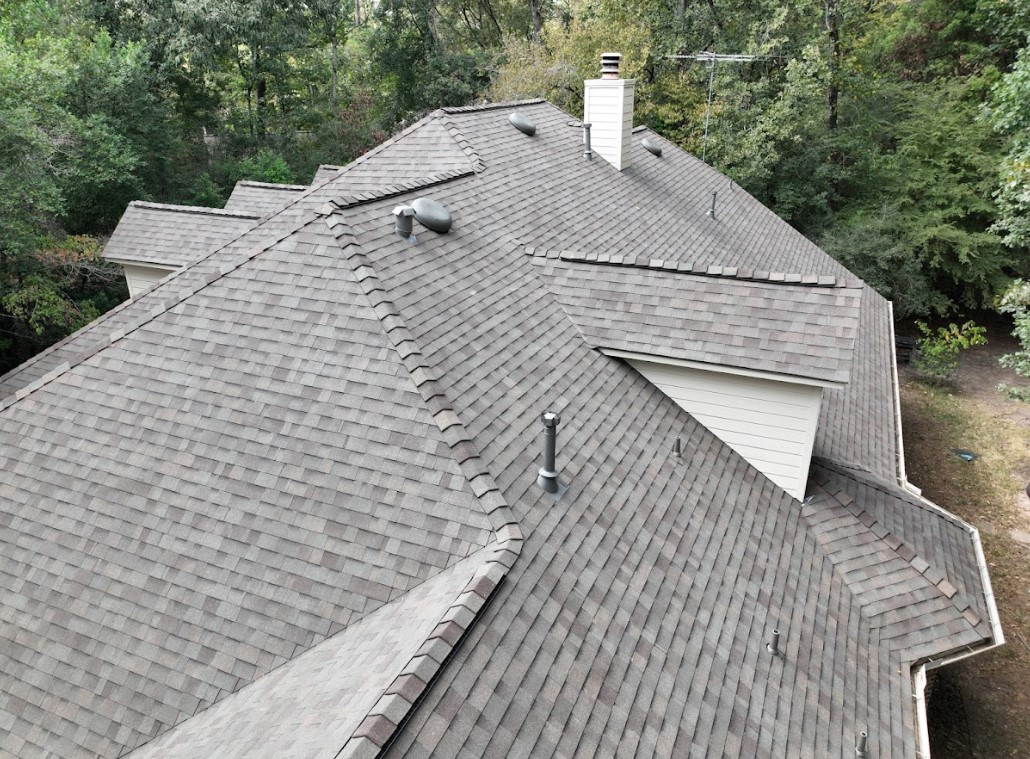
Effective roof ventilation relies on balance. Intake vents bring cooler air into the attic, while exhaust vents release hot, moist air. When both are properly designed and installed, airflow remains steady and efficient.
Homes may use ridge vents, soffit vents, roof vents, or powered systems depending on roof design and attic layout. The key is not the specific type—it’s whether the system works together as a whole.
Why Is Proper Ventilation Especially Important in Houston?
How does humidity change the equation?
Houston’s humidity levels make moisture control a year-round concern. Even in cooler months, humid air can enter attic spaces and condense when temperatures drop overnight.
Without proper ventilation, that moisture lingers longer and penetrates deeper into building materials. In this environment, ventilation isn’t optional—it’s essential protection.
Can Ventilation Improvements Extend the Life of Your Roof?
How does airflow protect long-term performance?
Yes. Proper ventilation reduces heat stress on shingles, minimizes moisture exposure, and helps roofing materials age more evenly. That can significantly extend the lifespan of your roof.
Instead of replacing a roof earlier than expected, homeowners with good ventilation often see better performance and fewer repairs over time.
How Is Roof Ventilation Evaluated During an Inspection?
What do professionals look for?
A professional roofing inspection looks at airflow balance, vent placement, insulation condition, and moisture indicators. It’s not just about counting vents—it’s about whether the system functions correctly for your home.
This evaluation helps identify issues that homeowners often miss and provides clear recommendations for improvement.
Attic-Level Answers: Common Ventilation Questions Homeowners Ask
Is more ventilation always better?
Not necessarily. Too much exhaust without proper intake can create pressure issues. Balance matters more than volume.
Can ventilation really prevent mold?
Ventilation significantly reduces the conditions mold needs to grow, especially when combined with proper insulation.
Do older homes need ventilation upgrades?
Many older homes were built with minimal ventilation. Upgrades often provide immediate benefits.
Does ventilation help year-round?
Yes. It controls moisture and heat in every season, not just summer.
What Should You Do If You Suspect a Ventilation Problem?
How does professional help make a difference?
Ventilation issues aren’t always visible, and quick fixes can make things worse if airflow becomes unbalanced. A professional assessment ensures solutions are tailored to your roof structure, attic space, and local climate.
Correcting ventilation now helps prevent expensive moisture damage later.
Bringing It All Together: Breathe Easier from the Top Down
Roof ventilation isn’t about bells and whistles. It’s about keeping moisture moving, heat under control, and your home protected from problems that quietly grow out of sight. In a humid climate like Houston’s, proper ventilation is one of the most important defenses your roof has.
If you’re concerned about mold, moisture, or attic conditions—or if your roof hasn’t been evaluated recently—now is the time to act. Contact Punum Roofing in Houston, TX for expert residential roofing inspections and ventilation solutions. We’ll help your roof breathe better, last longer, and protect your home from the inside out.
Recent Articles
Residential Roofing
Is Your Houston Roof Ready for Hurricane Season? Here's How to Prepare Before June
A roof inspection before the hurricane season starts can mean the difference between riding out a storm with confidence and making frantic calls after the damage is done.
March 25, 2026
.jpg)
Insurance Claims After a Storm: What Houston Homeowners Should Know Before Calling a Roofer
Houston homeowners’ guide to filing a storm roof damage insurance claim: what to do in the first 72 hours, how Texas claims work, and mistakes that can cost you coverage.
March 3, 2026
.jpg)
Why Houston Homeowners Are Switching to Aluminum and Steel Roofing
Discover why Houston homeowners are switching to aluminum and steel metal roofing for better durability, energy efficiency, and long-term protection against heat, hail, and Gulf Coast storms.
March 2, 2026
.jpg)
Houston Hail Damage 101: How to Spot and Fix Roofing Damage Fast
Houston’s frequent hailstorms can quietly damage your roof. Learn how to spot hail impact, act quickly for insurance, and choose a trustworthy local roofer for proper inspection and repairs.
March 1, 2026