

Houston Heat & Humidity: How Your Roof Handles Moisture Before You Ever See a Leak
February 11, 2026
•
Written By
Punum Roofing of Houston, Inc.
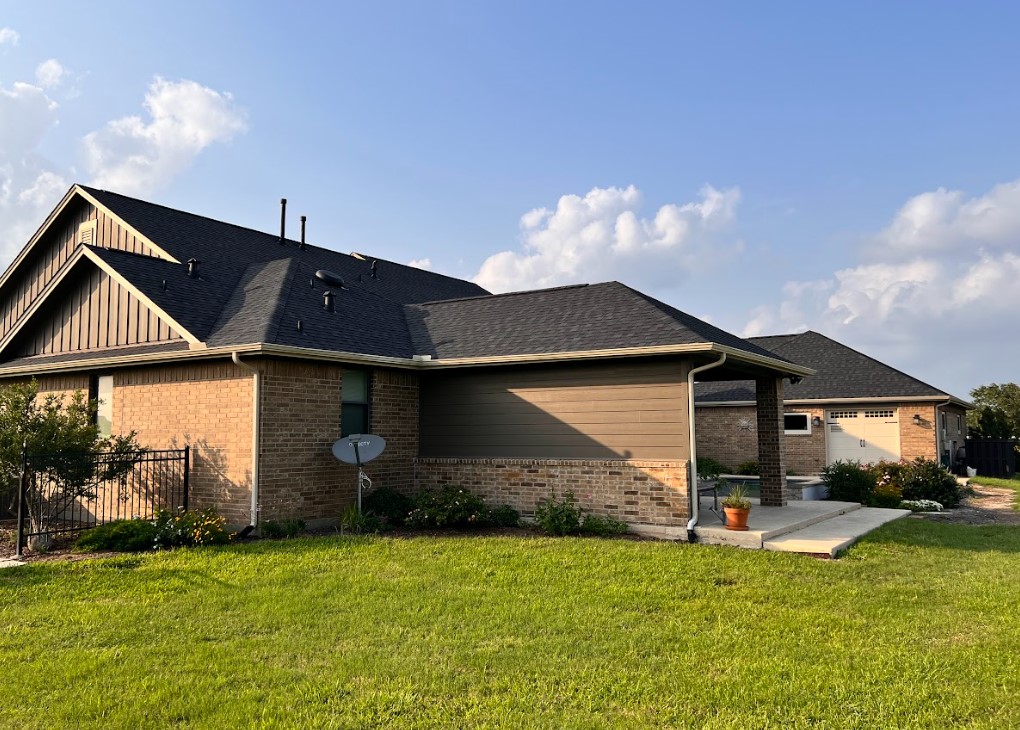
Houston humidity is not subtle. You feel it when you step outside. You see it fogging up glasses and curling the morning paper. What most people do not see is how that same moisture tries to work its way into their homes every single day.
Here is the surprising part. By the time water shows up on a ceiling, the fight has usually been going on for a while.
A good roofing system is built to manage moisture long before panic sets in. It sheds rain, releases trapped vapor, and protects the structure from slow, sneaky damage. When everything works, you never think about it. When something fails, you think about little else.
Key takeaways
- Moisture problems often start invisibly in attics and under roofing layers.
- Heat and humidity can create condensation without a single raindrop.
- Ventilation is just as important as shingles.
- Small weaknesses grow quickly in Gulf Coast conditions.
- Professional inspections catch hidden issues early.
Why Is Houston Humidity Such a Challenge for Roofs?
What makes this climate harder on homes than people realize?
Moisture here does not need an invitation. Warm air holds water vapor, and when that air cools, the vapor condenses. Your attic becomes the meeting place between hot days, cooler nights, and air-conditioned interiors.
That combination can create dampness even when skies are perfectly clear.
Over time, repeated condensation can affect wood decking, insulation, and fasteners. Left unchecked, it may lead to mold growth or structural weakening. None of it announces itself with a drumroll.
It happens quietly.
If It Is Not Raining, Where Does the Moisture Come From?
How can water appear without a storm?
Daily living produces humidity. Cooking, showers, laundry, breathing. All of that moisture rises. If attic ventilation does not move it out effectively, it lingers.
Then temperatures shift.
Warm, damp air hits cooler surfaces beneath the roof. Droplets form. Materials stay wet longer than they should. Multiply that cycle by months or years and you begin to see why leaks are often the final chapter, not the first.
What Parts of the Roof System Work Behind the Scenes?
What keeps water moving in the right direction?
A roof is more than shingles. It is a layered defense team.
Underlayment provides secondary protection if outer materials are compromised. Flashing directs water away from joints and penetrations. Ventilation components allow airflow that reduces heat and moisture buildup. Gutters move runoff away from the foundation.
When these pieces cooperate, moisture has a hard time settling in.
When one struggles, the others feel it.
How Does Poor Ventilation Make Everything Worse?
Why is airflow such a big deal in Houston?
Because trapped heat magnifies humidity problems.
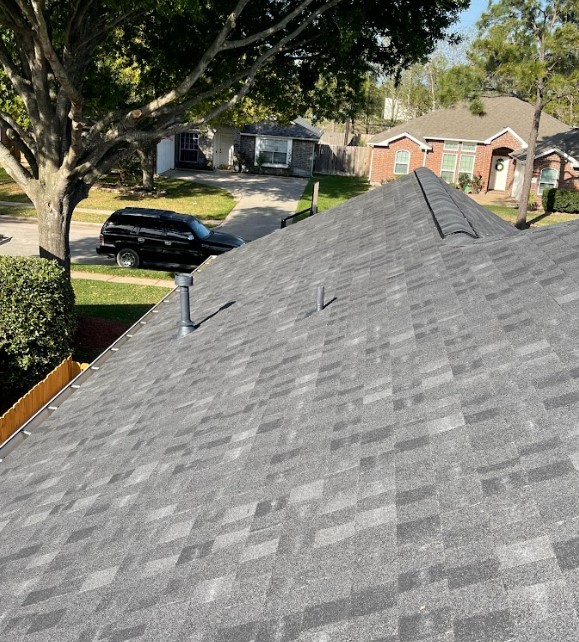
Without proper intake and exhaust, attics can become ovens. Superheated air holds more moisture, which then condenses when temperatures drop. That repeated cycle can shorten roof life and stress materials.
Good ventilation helps balance temperature and humidity, protecting both the roof and the living space below. It is not flashy, but it is essential.
What Are the Early Signs Moisture Might Be Winning?
What should homeowners keep an eye on?
Some clues show up before interior damage appears. You just have to know where to look.
Watch for:
- Damp or compacted insulation
- Musty odors in the attic
- Darkened wood or staining
- Rust on nails or metal components
- Excessive heat lingering upstairs
None of these guarantee a crisis, but they do suggest the system deserves attention.
Why Do Leaks Seem to Appear Suddenly?
Wasn’t everything fine yesterday?
It can feel that way.
In reality, moisture often weakens materials slowly until a tipping point arrives. A heavy rain or strong storm exposes vulnerabilities that have been developing quietly.
By the time water reaches drywall, the pathway has usually been forming for a long time.
That is why preventative care matters so much. Catching trouble early keeps repairs manageable.
How Can Homeowners Reduce Moisture Risk?
What practical steps actually help?
Start with awareness. Know that humidity alone can create problems. Then take actions that support the roof’s built-in defenses.
Helpful habits include:
- Checking attic spaces at least once a year
- Keeping vents clear of blockages
- Making sure bathroom and kitchen exhaust fans vent outdoors
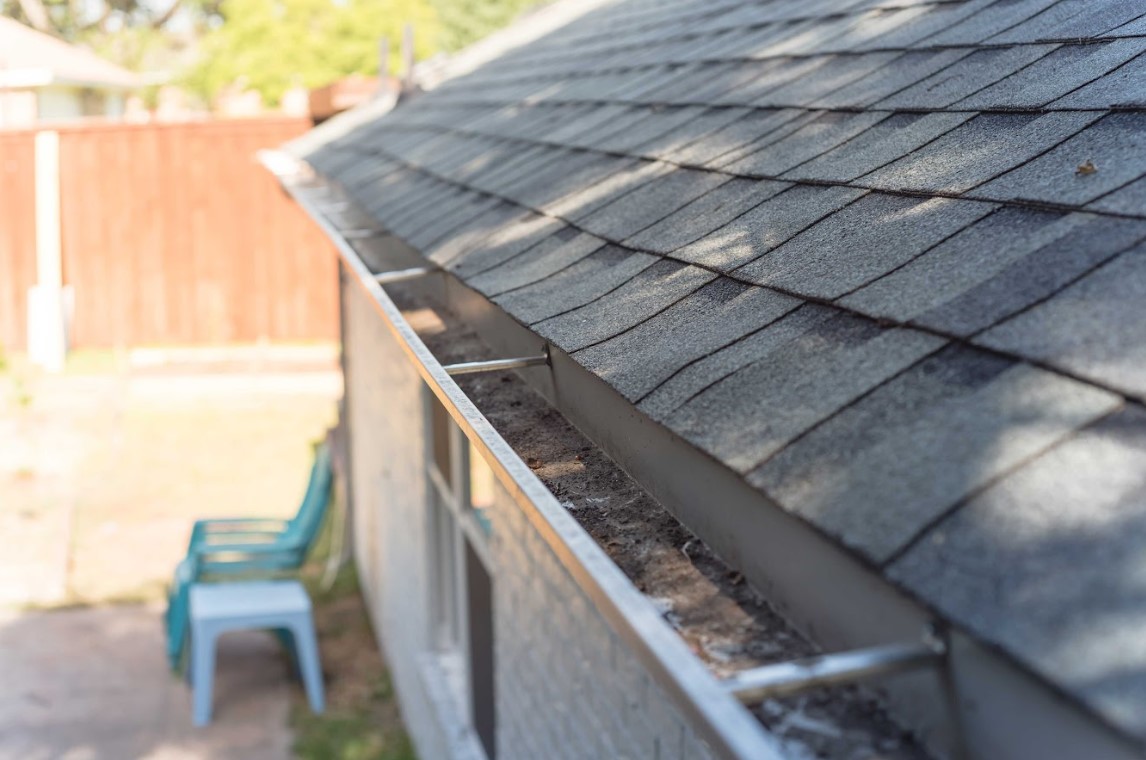
- Clearing gutters so drainage stays efficient
- Scheduling professional evaluations
These steps give moisture fewer opportunities to linger.
When Should You Call a Roofing Professional?
What moves this from DIY curiosity to expert territory?
If signs of dampness appear, if the attic smells off, or if cooling costs rise unexpectedly, it is time. Professionals can evaluate ventilation performance, inspect underlayment conditions, and spot subtle failures.
Working with Punum Roofing means working with people who understand how Houston air behaves. They have seen what long-term humidity can do and how to stop it before damage spreads.
Experience speeds up solutions.
Can Modern Roofing Materials Handle Moisture Better?
Have things improved over the years?
Absolutely.
Today’s products often include advanced barriers, reflective technologies, and improved fastening systems. They are engineered with climate challenges in mind.
But even the best material relies on proper installation and balanced ventilation. Technology helps, craftsmanship seals the deal.
What Do Homeowners Ask When They Learn Moisture Starts Early?
These questions come up all the time.
Do I need a leak to justify an inspection?
No. In fact, inspections work best before leaks develop.
Can humidity really damage wood?
Yes. Prolonged exposure can weaken structure and invite mold.
Is attic heat connected to moisture?
Very much so. Higher temperatures intensify condensation cycles.
Will better ventilation lower energy bills?
It often helps by reducing strain on cooling systems.
How frequently should roofs be checked in this climate?
Annual evaluations plus post-storm reviews create a solid rhythm.
What Is the Smartest Way to Stay Ahead of Houston Moisture?
How do you keep problems invisible instead of urgent?
Make routine care normal. Treat inspections like health checkups. Address minor findings before they graduate into emergencies.
Moisture thrives on neglect. Attention disrupts its plans.
Ready to Keep Hidden Moisture From Becoming a Headline?
A roof that manages humidity properly rarely gets noticed, and that is exactly the point. Quiet performance beats dramatic repairs every day of the week.
If you want confidence that everything above you is doing its job, reach out to Punum Roofing in Houston. Their team can evaluate ventilation, spot early warning signs, and help your home stay dry long before trouble ever appears.
Recent Articles
Residential Roofing
Is Your Houston Roof Ready for Hurricane Season? Here's How to Prepare Before June
A roof inspection before the hurricane season starts can mean the difference between riding out a storm with confidence and making frantic calls after the damage is done.
March 25, 2026
.jpg)
Insurance Claims After a Storm: What Houston Homeowners Should Know Before Calling a Roofer
Houston homeowners’ guide to filing a storm roof damage insurance claim: what to do in the first 72 hours, how Texas claims work, and mistakes that can cost you coverage.
March 3, 2026
.jpg)
Why Houston Homeowners Are Switching to Aluminum and Steel Roofing
Discover why Houston homeowners are switching to aluminum and steel metal roofing for better durability, energy efficiency, and long-term protection against heat, hail, and Gulf Coast storms.
March 2, 2026
.jpg)
Houston Hail Damage 101: How to Spot and Fix Roofing Damage Fast
Houston’s frequent hailstorms can quietly damage your roof. Learn how to spot hail impact, act quickly for insurance, and choose a trustworthy local roofer for proper inspection and repairs.
March 1, 2026