

Commercial Roof Repairs That Can’t Wait: Signs You Need Help Now
November 17, 2025
•
Written By
Punum Roofing of Houston, Inc.
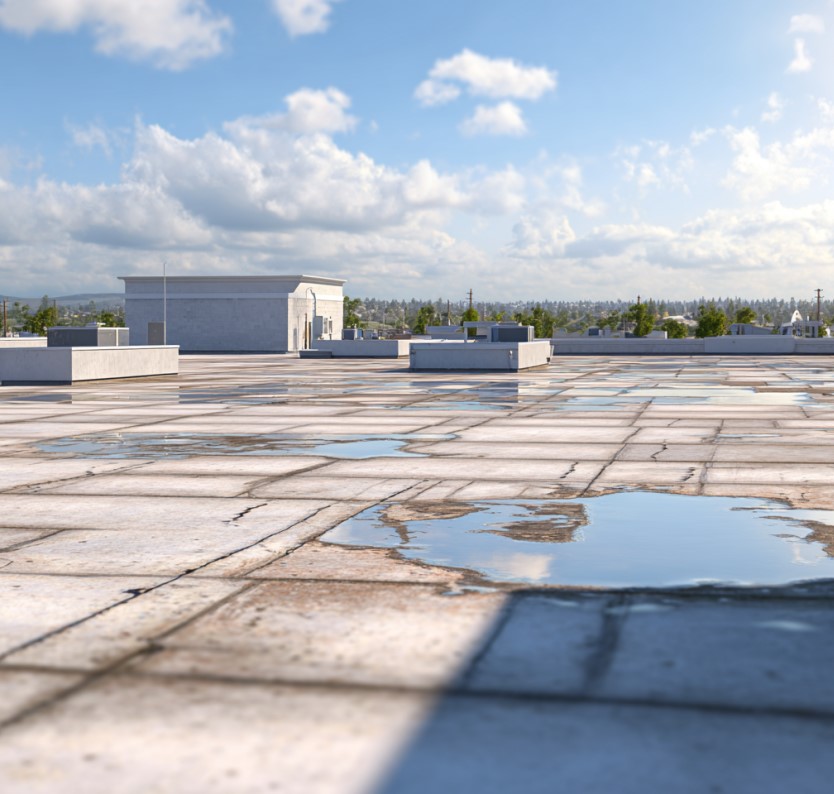
A commercial roof isn’t just a protective layer—it’s a critical part of keeping your business safe, operational, and profitable. When something goes wrong up there, it doesn’t take long for it to make its way inside, interrupting work, damaging inventory, and racking up repair bills. In Houston, where weather can swing from scorching heat to sudden downpours in the same afternoon, commercial roofs face constant stress. Knowing the early warning signs of trouble can save you thousands and keep your business running smoothly.
Before we get into the details, here are the key things every Houston business owner should keep in mind.
Key Takeaways
- Delaying commercial roof repairs leads to structural damage, higher costs, and disruptions.
- Early warning signs—like standing water, seam separation, or visible sagging—should be addressed immediately.
- Houston’s weather accelerates roof deterioration, so regular inspections and proactive repairs are essential.
- Fast action protects your investment, your employees, and daily operations.
Why Some Commercial Roof Problems Can’t Wait
It’s easy to put off repairs when the issue looks small or “not that bad.” But commercial roofing systems are interconnected, and damage spreads fast. A minor puncture or seam split can quickly become a leak that soaks insulation, compromises structural decking, and forces you to replace large sections instead of making a simple repair.
In Houston especially, heat and humidity speed up the breakdown process. UV rays weaken membranes. Moisture gets trapped under surface layers. Afternoon storms test every weak spot. When your roof starts showing symptoms of distress, time is not on your side.
Major Warning Signs Your Commercial Roof Needs Immediate Help
Persistent Ponding Water
If water is sitting on your roof more than 48 hours after rain, you’ve got a drainage problem. Flat and low-slope roofs are especially prone to ponds forming around clogged drains, sagging areas, or improper design.
Ponding causes:
- Membrane deterioration
- Added weight that stresses the structure
- Faster leak formation
- Breeding grounds for algae and mold
On a commercial roof, standing water is a red flag you can’t ignore.
New or Worsening Leaks
A drip from the ceiling isn’t harmless. Even “small” leaks can cause big internal problems. Wet insulation loses R-value, raises energy costs, and spreads moisture across the deck. In offices or warehouses, leaks can ruin equipment, inventory, and flooring.
If water is coming inside, the clock is ticking. What you see may be only a fraction of the real problem.
Bubbling, Blistering, or Warped Membranes
These signs mean moisture or air is trapped under the roofing material. It could be due to poor installation, heat damage, or old age. Once bubbles appear, the membrane's protective barrier is compromised, and water will eventually force its way inside.
Blistered areas need professional attention before they rupture.
Sagging Areas
Sagging spots often signal trapped moisture, failing insulation, or structural deck damage. This is one of the most urgent warning signs because sagging rarely fixes itself—it only spreads.
If you see uneven surfaces, dips, or areas that feel soft underfoot, it’s time to call a roofer immediately.
Secondary Warning Signs That Still Need Fast Attention
Not every warning sign demands an evacuation—but they still require prompt attention before they escalate.
Look out for:
- Clogged or slow roof drains
- Rust on metal components
- Loose flashing or separated seams
- Tears or punctures from foot traffic
- Mold or algae streaks
- Increasing energy bills
- Strange odors from the ceiling or walls
These issues might seem minor on the surface, but they often point to moisture intrusion deeper in the system.
What’s Causing the Damage? Common Houston Roofing Stressors
Houston is tough on commercial roofing systems, no question. The weather does most of the heavy lifting—but other factors contribute too.
Extreme Heat and UV Exposure
Commercial membranes break down faster in heat-intensive environments. Houston summers bake the roof surface, causing materials to expand, shrink, and eventually crack or warp.
Heavy Rain and Sudden Storms
Flat roofs rely heavily on drains and design to shed water. With Houston’s rainfall intensity, it’s easy for systems to get overwhelmed, especially if drains are partially blocked.

Aging Materials
Even the best commercial roofs have a lifespan. If yours is 15–20 years old (or older), repairs become more urgent and more frequent.
Foot Traffic
HVAC teams, technicians, and building staff often walk across commercial roofs. Over time, this creates wear patterns, punctures, and weak spots.
Quick-Reference Checklist: Signs You Need Commercial Roof Repair Now
For busy business owners, here’s an easy checklist you can reference anytime:
- Water pooling more than 48 hours after rain
- New or worsening leaks
- Sagging or uneven surfaces
- Blisters, bubbles, or membrane peeling
- Cracks, punctures, or tears
- Loose flashing or open seams
- Mold or algae trails
- Rusted components
- Drains not functioning correctly
- Rising energy costs
If you’re checking off more than one or two items, it’s time to get a contractor on-site quickly.
Why Fast Repairs Save You Money
Roof problems don’t stay still. Temperature swings cause materials to expand and contract, making small openings turn into big ones. Water seeps into insulation, spreads laterally, and compromises larger sections.
When you delay repairs, you risk:
- Decking replacement instead of patching
- Insulation removal
- Interior ceiling repairs
- Mold remediation
- Unexpected business shutdowns
Investing in fast, professional repairs means investing in your building’s longevity and your operation’s reliability.
When You Should Consider a More Comprehensive Repair Strategy
If your commercial roof is older or showing multiple signs of wear, spot repairs might not be enough. In some cases, a more strategic repair plan or restoration coating is the smarter move. Roof coatings, for example, can reinforce your system, add weather resistance, and extend its lifespan without the cost of a full replacement.
A professional roofing contractor can assess whether repairs, restoration, or replacement is the most cost-effective choice.
Business Owner FAQs: Real Questions With Straightforward Answers
How often should commercial roofs be inspected?
Twice a year is the industry standard, ideally in spring and fall. After major storms, additional inspections are smart.
Are commercial roof leaks dangerous?
Yes. Leaks damage insulation, electrical systems, inventory, and more. They also lead to structural deterioration.
Is ponding water always a serious issue?
If it sticks around longer than a day or two, yes. It weakens membranes and stresses the roof.
Can a commercial roof be repaired instead of replaced?
Often, yes. If the damage is localized and the system is in good condition overall, repairs are a cost-effective solution.
How long do commercial roofing systems last?
Depending on the material:
- TPO: 15–25 years
- PVC: 20–30 years
- Modified bitumen: 15–20 years
- Metal: 40+ years
Will insurance cover commercial roof repairs?
Many storm-related issues are covered, but the extent depends on your policy and the cause of damage.
Protect Your Business by Protecting Your Roof
A commercial roof doesn’t have to fail catastrophically to disrupt your business. Most major problems start small—an overlooked drain, a tiny seam split, a few damp insulation panels. But once the damage sets in, repairs become harder, more expensive, and more disruptive.
By acting quickly when warning signs appear, you protect your building, your employees, your customers, and your bottom line. Houston weather may be unpredictable, but your commercial roof doesn’t have to be.
If you’re noticing any of the issues mentioned above—or want peace of mind before the next storm—contact Punum Roofing in Houston, TX. Their experienced commercial roofing team can assess damage, provide fast repairs, and help you prevent future problems. When your business depends on your roof, you want professionals you can trust.
Recent Articles
Residential Roofing
Architectural Shingles vs. Luxury Shingles: Which Adds More Value to Your Home?
Architectural shingles give you dependable durability and a strong value boost while luxury shingles elevate your home into the premium category.
November 24, 2025
Commercial Roof Repairs That Can’t Wait: Signs You Need Help Now
Commercial roofs face constant stress and knowing the early warning signs of trouble can save you thousands and keep your business running smoothly.
November 17, 2025

Residential Roofing
Standing-Seam Metal Roofing: Why Houston Homeowners Are Making the Upgrade
Upgrading to standing-seam metal roofing isn’t just a style decision, it’s a practical, long-term investment that solves real Houston homeowner pain points.
November 10, 2025

Residential Roofing
The Ultimate Houston Roof Maintenance Checklist for Fall
Houston homes face a unique set of weather challenges, but fall maintenance gives you the upper hand.
November 3, 2025