

Flashing & Vent Repair: Small Fixes That Prevent Big Leaks
January 2, 2026
•
Written By
Punum Roofing of Houston Inc.
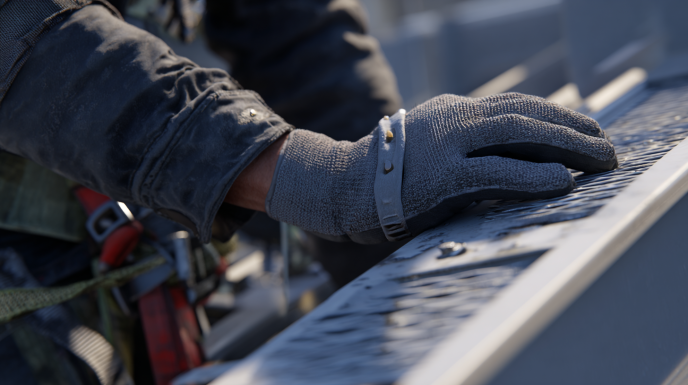
Most roof leaks don’t start with a dramatic failure. They begin quietly. A bead of water sneaks past worn flashing. Moist air slips out around a cracked vent boot. By the time you notice a stain on the ceiling, the damage has already been working overtime.
Flashing and vent repairs may be small jobs, but they’re some of the most important ones your roof will ever need. In a climate like Houston—where heat, humidity, and storms team up year-round—these components are often the first to fail and the fastest to cause expensive problems.
This guide breaks down why flashing and vent repairs matter, how to spot trouble early, and how a simple fix today can prevent major leaks tomorrow.
Key Takeaways: Why Flashing and Vent Repairs Matter
- Most roof leaks start at flashing or vents, not shingles
- Houston heat and storms accelerate wear on these components
- Small cracks can lead to hidden water and mold damage
- Early repairs cost far less than interior or structural fixes
- Professional inspections catch issues homeowners often miss
What Is Roof Flashing and Why Is It So Important?
Flashing is your roof’s first line of defense against water
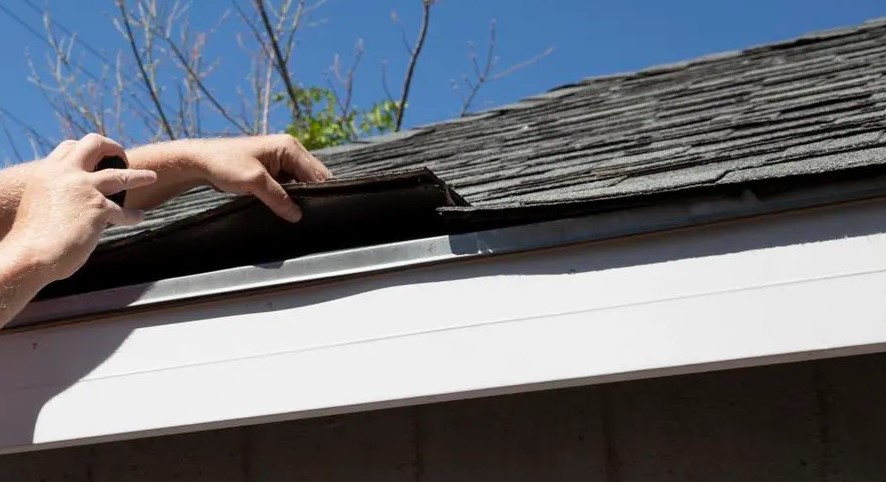
Roof flashing is the thin metal material installed where the roof meets something else—chimneys, walls, skylights, valleys, and vents. Its job is simple: redirect water away from vulnerable seams and into the gutters.
When flashing is properly installed and sealed, water flows right where it should. When it cracks, lifts, rusts, or pulls away, water finds a shortcut straight into your home.
In Houston, flashing takes a beating from intense sun, heavy rain, and temperature swings. Over time, sealants dry out, metal expands and contracts, and small gaps form. Those gaps don’t stay small for long.
.png)
How Do Roof Vents Cause Leaks?
Vent boots often fail before the rest of the roof
Roof vents allow your attic to breathe, but the rubber or neoprene boots that seal them are one of the most common leak sources on a roof.
These boots are designed to flex, but Houston’s heat speeds up aging. The rubber cracks, shrinks, or splits around the pipe, letting water drip straight down into insulation and drywall.
The tricky part is that vent leaks are slow and sneaky. You may not see water right away, but moisture can build up in the attic for months before damage shows inside the house.
Why Are Flashing and Vent Issues So Easy to Miss?
The damage often hides until it’s serious
Homeowners usually check shingles when they think about roof problems. Flashing and vents don’t get the same attention because they’re less obvious and harder to see from the ground.
Many leaks start during heavy rain, then dry up quickly. That means no dripping water, just damp wood, wet insulation, and slow rot. By the time a ceiling stain appears, the repair has gone from minor to messy.
That’s why regular inspections matter, especially after storms or once your roof passes the 10-year mark.
What Are the Most Common Signs of Flashing or Vent Failure?
Small clues can point to bigger problems
If you know what to look for, your roof will often tell you when something’s wrong. Common warning signs include:
- Water stains near ceiling edges or around vents
- Musty smells in the attic or upper rooms
- Peeling paint near walls or chimneys
- Cracked or missing sealant around roof penetrations
- Rusted or lifted metal flashing
These symptoms don’t always mean the roof needs replacing. Often, they point directly to a flashing or vent repair that can be handled quickly if caught early.
How Does Houston’s Climate Accelerate These Problems?
Heat, humidity, and storms speed up wear
Houston roofs live in a pressure cooker. UV rays break down rubber and sealants. Humidity keeps materials damp longer. Heavy rain tests every seam. Wind pushes flashing upward and loosens fasteners.
Even a well-installed roof can develop weak points faster here than in milder climates. That’s why proactive maintenance isn’t optional—it’s part of owning a home in southeast Texas.
Ignoring small issues in this environment almost guarantees they’ll turn into bigger ones.
What Does a Proper Flashing and Vent Repair Actually Involve?
Quality repairs go beyond quick patches
A real repair isn’t just smearing caulk and calling it done. Professional flashing and vent repair involves removing damaged materials, inspecting the surrounding area, and installing new components that integrate correctly with the roofing system.
A proper repair typically includes:
- Removing old, brittle sealant
- Replacing cracked vent boots or corroded flashing
- Re-securing materials with proper fasteners
- Installing new waterproof underlayment where needed
- Sealing everything with materials designed for roof movement
Done right, these fixes restore the roof’s water barrier without disturbing the rest of the system.
When Should Flashing or Vent Repairs Be Done?
Timing makes a big difference in cost and damage
The best time to repair flashing and vents is before you notice a leak. Annual inspections, post-storm checks, and pre-hurricane-season evaluations are ideal moments to catch issues early.
If your roof is over 10 years old, inspections become even more important. Materials naturally age, and small failures are more likely. Addressing them early can extend the life of your roof by years.
Waiting until water shows inside the home usually means repairs won’t stay small.
Are These Repairs Really Worth It Compared to Waiting?
Small fixes protect big investments
It’s tempting to put off minor roof work, especially when everything looks fine from the ground. But flashing and vent repairs are some of the highest-value maintenance tasks you can do.
A small repair today can prevent:
- Mold growth in insulation and framing
- Ceiling and wall repairs
- Electrical issues from moisture
- Structural wood rot
- Insurance claim headaches
In most cases, the cost of proactive repair is a fraction of the damage it prevents.
.png)
The Questions Homeowners Ask Right Before Water Starts Dripping
Straight answers to common concerns
Can flashing be repaired without replacing the roof?
Yes. In many cases, flashing can be repaired or replaced without disturbing the rest of the roof.
How long do vent boots usually last?
Typically 10–15 years, but Houston heat can shorten that lifespan.
Is caulking enough to fix flashing leaks?
Temporary at best. Long-term repairs require proper replacement and sealing.
Do flashing problems always cause visible leaks?
No. Many cause hidden moisture damage long before stains appear.
How often should flashing and vents be inspected?
At least once a year and after major storms.
How Do Small Roof Fixes Keep Your Whole Home Safer?
Prevention beats repair every time
Flashing and vent repairs may not be glamorous, but they’re the quiet workhorses of a healthy roof. They protect your attic, insulation, walls, and ceilings from water that doesn’t belong there.
When these components are maintained, your roof sheds water the way it’s supposed to. When they’re ignored, even the best shingles in the world won’t save you.
Good roofing isn’t about reacting to disasters. It’s about preventing them.
Ready to Stop Small Leaks Before They Become Big Problems?
If you suspect an issue—or just want peace of mind—now is the time to act. Punum Roofing provides expert flashing and vent repair services in Houston, TX, helping homeowners fix small roofing problems before they turn into major repairs.
Contact Punum Roofing today to schedule an inspection and keep your roof doing what it’s meant to do: protect your home, quietly and reliably, through every Texas storm.
Recent Articles
Residential Roofing
Is Your Houston Roof Ready for Hurricane Season? Here's How to Prepare Before June
A roof inspection before the hurricane season starts can mean the difference between riding out a storm with confidence and making frantic calls after the damage is done.
March 25, 2026
.jpg)
Insurance Claims After a Storm: What Houston Homeowners Should Know Before Calling a Roofer
Houston homeowners’ guide to filing a storm roof damage insurance claim: what to do in the first 72 hours, how Texas claims work, and mistakes that can cost you coverage.
March 3, 2026
.jpg)
Why Houston Homeowners Are Switching to Aluminum and Steel Roofing
Discover why Houston homeowners are switching to aluminum and steel metal roofing for better durability, energy efficiency, and long-term protection against heat, hail, and Gulf Coast storms.
March 2, 2026
.jpg)
Houston Hail Damage 101: How to Spot and Fix Roofing Damage Fast
Houston’s frequent hailstorms can quietly damage your roof. Learn how to spot hail impact, act quickly for insurance, and choose a trustworthy local roofer for proper inspection and repairs.
March 1, 2026