

Is Your Houston Roof Ready for Hurricane Season? Here's How to Prepare Before June
March 25, 2026
•
Written By
Punum Roofing of Houston, Inc.
Hurricane season runs from June 1 through November 30. That's six months of potential storms bearing down on the Gulf Coast — and your roof is the first line of defense every single time. The question isn't whether a storm is coming. In Houston, it's when.
The good news? A little preparation before the season starts can mean the difference between riding out a storm with confidence and making frantic calls after the damage is done. This guide walks you through exactly what to do — and why it matters so much in a city like ours.
Key Takeaways
- Hurricane season officially begins June 1 — prep should start in April or May
- A professional roof inspection is the single most important step you can take
- Older roofs, missing flashing, and poor ventilation are the top vulnerabilities
- Houston's climate creates year-round wear that compounds storm damage
- Acting early gives you time to schedule repairs before contractors are overwhelmed post-storm
What Makes Houston Roofs So Vulnerable to Hurricane Damage?
Houston's climate doesn't take breaks — and neither does the wear on your roof.
Most cities get a season or two of harsh weather. Houston gets them all. Brutal summer heat that regularly pushes past 100°F, high humidity that never really goes away, spring hailstorms, and then hurricane season layered on top of all of it. Your roof absorbs every bit of that punishment year-round.
The heat alone causes roofing materials to expand and contract repeatedly, which loosens fasteners, dries out sealants, and shortens the lifespan of shingles over time. Add in the moisture that rolls in off the Gulf, and you've got the perfect conditions for slow, quiet deterioration — the kind that stays hidden until a Category 1 wind rips back a shingle and suddenly you've got a serious problem on your hands.
What's especially tricky is that a roof can look completely fine from the street and still have compromised areas that won't hold up under storm pressure. That's why waiting until you see a problem isn't a strategy — it's a gamble.
How Do You Know If Your Roof Can Handle a Major Storm?
The honest answer: you probably can't tell just by looking.
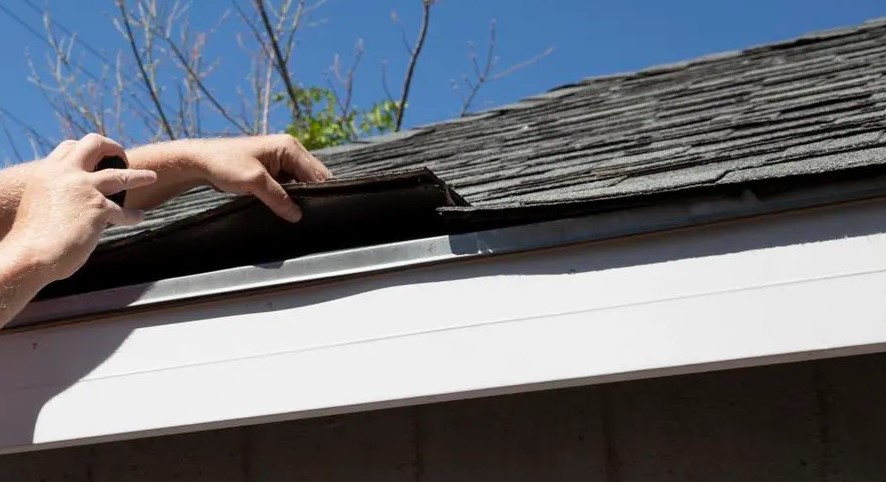
There are a few visible signs that your roof is due for attention before hurricane season arrives. Missing or curling shingles are obvious ones. So are granules collecting in your gutters — that's the protective coating coming off your asphalt shingles, and once it's gone, those shingles are on borrowed time.
But a lot of the real vulnerabilities are harder to spot. Flashing around chimneys, skylights, and vents is one of the most common failure points during storms. It's also one of the most overlooked. When flashing is loose, lifted, or corroded, wind-driven rain finds its way in fast.
Here are the areas that deserve a close look before June:
- Shingles: Look for curling edges, cracked surfaces, or bare patches where granules have worn away
- Flashing: Metal strips around any roof penetration — if they're lifted or pulling away, that's a vulnerability
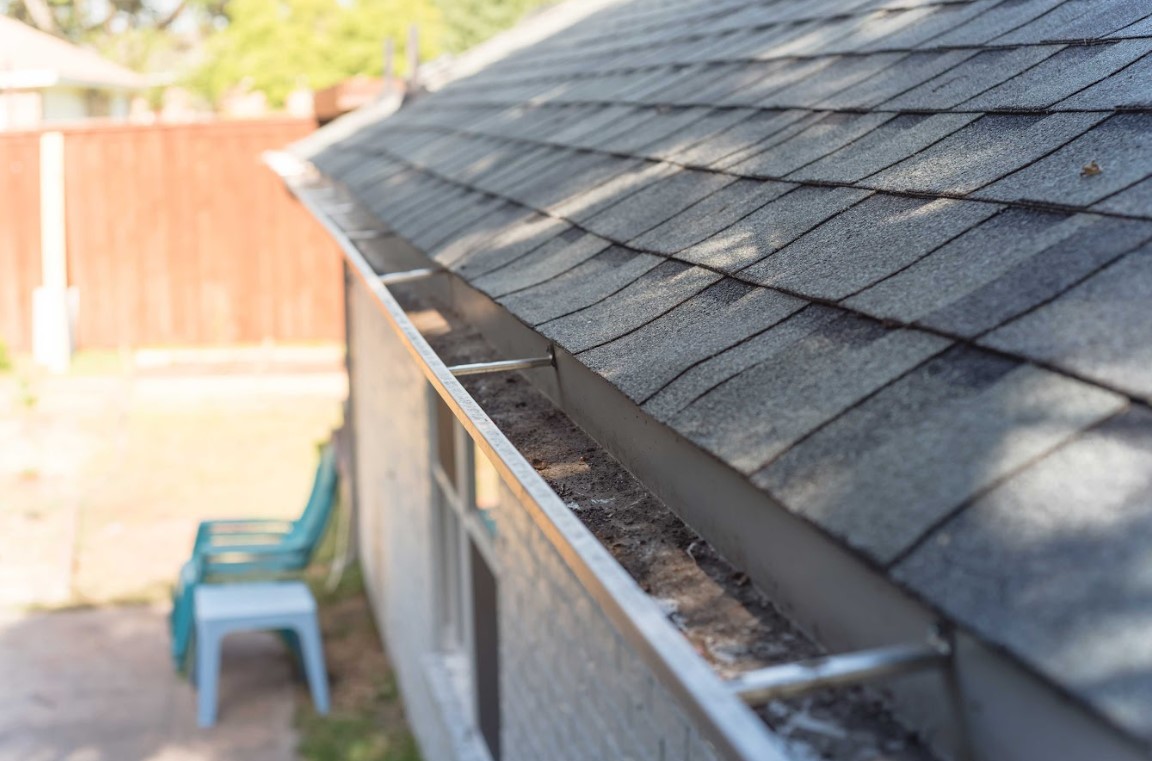
- Gutters and downspouts: Clogged gutters cause water to back up under your roofline, which weakens the edge and can lead to interior water damage
- Soffit and fascia: Rotted or damaged soffit boards are an entry point for wind and moisture
- Attic: Signs of daylight, moisture staining, or mold in the attic often indicate a roof issue before it's visible from outside
A professional roof inspection gives you a clear picture of where your roof stands — not a guess, not a hope, but an actual assessment from someone who knows what storm damage looks like before it happens.
What Should You Actually Do to Prepare Your Roof Before Hurricane Season?
Smart prep comes down to a few key actions — and timing matters.
The biggest mistake Houston homeowners make is waiting until May to start thinking about this. By then, roofing contractors are booking out fast. The homeowners who called in March and April? They've already got their repairs scheduled and their peace of mind locked in.
Here's a practical prep checklist to work through before June 1:
- Schedule a professional inspection: This should be your first call. A qualified roofer will identify everything from minor wear to structural concerns that need attention before storm season.
- Clear your gutters: After a winter and spring of debris buildup, gutters need to be clean and flowing freely before heavy rains arrive.
- Trim overhanging trees: Branches over your roof are projectiles in a high wind event. Cut them back now.
- Check your attic ventilation: Poor ventilation traps heat and moisture, which weakens your roof deck from the inside. It's a quiet problem that amplifies storm damage.
- Document your roof's current condition: Take photos now. If you need to file an insurance claim after a storm, having a before-and-after record is worth its weight in gold.
The National Oceanic and Atmospheric Administration (NOAA) consistently tracks above-normal hurricane seasons in recent years for the Gulf Coast. That's not meant to scare anyone — it's just the reality Houston homeowners live with, and it's a good reason to take prep seriously.
How Much Does a Pre-Hurricane Roof Inspection Cost Compared to Storm Repairs?
It's not even close — and the numbers make the case better than anything else.
A professional roof inspection typically costs little to nothing when done by a reputable local contractor. A roof repair after a storm — if it's caught early — might run a few hundred to a couple thousand dollars depending on the scope. A full roof replacement after sustained storm damage can run anywhere from $8,000 to $20,000 or more, according to data from the Insurance Information Institute.
And that's before you factor in the stress, the wait time to get a contractor after a major storm event, and the possibility of interior damage while your roof is compromised.
Pre-season prep isn't a luxury — it's the smarter financial move. Every time.
What Roofing Materials Hold Up Best in Houston's Storm Conditions?
Not all roofs are built equal, and Houston's weather has strong opinions about that.
If your roof is approaching 15 to 20 years old, hurricane season prep might be the right time to have a bigger conversation about what comes next. Replacing an aging asphalt shingle roof with a more storm-resilient material isn't just about weathering one season — it's about long-term protection for your home and your family.
Metal roofing, for instance, has become increasingly popular in the Houston area because it handles high winds, drives off rain efficiently, and reflects heat rather than absorbing it. Our residential roofing services include options built specifically for the demands of Gulf Coast weather — materials and installation methods that are rated for the kind of wind speeds Houston storms can produce.
If you're not sure whether your current roof is up to the task, that's exactly the conversation to have before the first storm rolls in.
Your Questions Answered: What Houston Homeowners Ask About Hurricane Season and Roofs
Answers to the questions we hear most often this time of year.
When is the best time to get a roof inspection before hurricane season? April is ideal. It gives you time to schedule any needed repairs before the busy pre-summer rush, and well before the first named storm appears.
Does homeowner's insurance cover hurricane roof damage? In most cases, yes — but coverage varies significantly by policy. Documenting your roof's pre-storm condition and working with a contractor who understands the claims process makes a real difference. Check out our overview of storm damage and insurance guidance for more detail.
How long does a typical roof repair take before storm season? Most repairs take one to two days once materials are on hand. The longer lead time is usually scheduling, which is why early action matters.
Can I do any roof prep myself? Cleaning gutters and trimming trees? Absolutely. But anything that involves getting on the roof or assessing structural integrity should be left to a professional. It's safer, and you'll get a more accurate read on what actually needs attention.
Secure Your Home Before the Storms Roll In
There's something satisfying about looking up at your roof in the middle of a storm and knowing it's solid. That confidence doesn't come from luck — it comes from doing the work ahead of time, before the pressure is on and the stakes are high.
Houston doesn't give much warning when a hurricane decides to make landfall. Your roof should be ready before that conversation even starts.
Punum Roofing of Houston serves homeowners across the Houston and Cypress area with honest assessments, quality workmanship, and the kind of straight talk you need when it matters most. Request your free inspection today and go into hurricane season knowing your home is protected.
Recent Articles
Residential Roofing
Is Your Houston Roof Ready for Hurricane Season? Here's How to Prepare Before June
A roof inspection before the hurricane season starts can mean the difference between riding out a storm with confidence and making frantic calls after the damage is done.
March 25, 2026
.jpg)
Insurance Claims After a Storm: What Houston Homeowners Should Know Before Calling a Roofer
Houston homeowners’ guide to filing a storm roof damage insurance claim: what to do in the first 72 hours, how Texas claims work, and mistakes that can cost you coverage.
March 3, 2026
.jpg)
Why Houston Homeowners Are Switching to Aluminum and Steel Roofing
Discover why Houston homeowners are switching to aluminum and steel metal roofing for better durability, energy efficiency, and long-term protection against heat, hail, and Gulf Coast storms.
March 2, 2026
.jpg)
Houston Hail Damage 101: How to Spot and Fix Roofing Damage Fast
Houston’s frequent hailstorms can quietly damage your roof. Learn how to spot hail impact, act quickly for insurance, and choose a trustworthy local roofer for proper inspection and repairs.
March 1, 2026