

Why Houston Homeowners Are Switching to Aluminum and Steel Roofing
March 2, 2026
•
Written By
Punum Roofing of Houston Inc.
.jpg)
Houston homeowners have a reputation for being practical people. You live in a city that gets baked by the sun nine months out of the year, rattled by Gulf storms on a regular basis, and pelted by hail that would make a northern roofer's jaw drop. You don't have the luxury of putting something on your house just because it looks nice. It has to work. And it has to keep working when the weather gets serious.
That's exactly why metal roofing — aluminum and steel specifically — has been gaining serious ground in the Houston market. This isn't a trend driven by aesthetics or magazine features. It's driven by homeowners who got tired of replacing asphalt shingles every ten to fifteen years, tired of watching granules wash into the gutters after every storm, and tired of wondering whether their roof was going to make it through the next hail season. Metal roofing is the answer a growing number of Houston homeowners are landing on, and the reasons behind that shift are worth understanding.
Key Takeaways
- Metal roofing — aluminum and steel — lasts two to three times longer than asphalt shingles in Houston's demanding climate.
- Both materials handle heat, humidity, wind, and hail significantly better than traditional roofing options.
- The higher upfront cost of metal roofing is typically offset by energy savings, lower maintenance, and dramatically extended lifespan.
- Aluminum and steel have different strengths, and the right choice depends on your home, your budget, and your priorities.
- Metal roofing can increase home resale value and may qualify for insurance premium discounts in Texas.
Why is Houston's climate so hard on traditional roofing materials?
The combination of intense UV exposure, Gulf humidity, severe storms, and temperature swings makes Houston one of the most demanding roofing environments in the country.
Let's be honest about what Houston does to a roof. The sun here isn't the same sun they're dealing with in, say, Minnesota. Houston averages over 200 sunny days a year, and summer temperatures regularly push into the upper 90s with humidity that makes it feel worse. That sustained UV exposure and heat breaks down asphalt shingles from the top down — drying out the oils that keep them flexible, accelerating granule loss, and shortening their effective life significantly compared to the same shingle installed in a cooler climate.
Then there's the moisture. Houston's proximity to the Gulf means humidity is a constant companion, and when you combine that with the temperature cycling between hot days and cooler nights, you get a roofing environment that stresses every joint, seam, and material boundary on a regular basis. Add in the annual threat of tropical systems, severe thunderstorms, and hail events that rank among the most frequent and severe in the nation, and you start to understand why the average asphalt roof in Houston doesn't always make it to its rated lifespan.
Metal roofing was essentially designed for these conditions. The properties that make aluminum and steel perform well happen to match almost perfectly with what Houston's climate demands.
What makes aluminum roofing a strong choice for Houston homes?
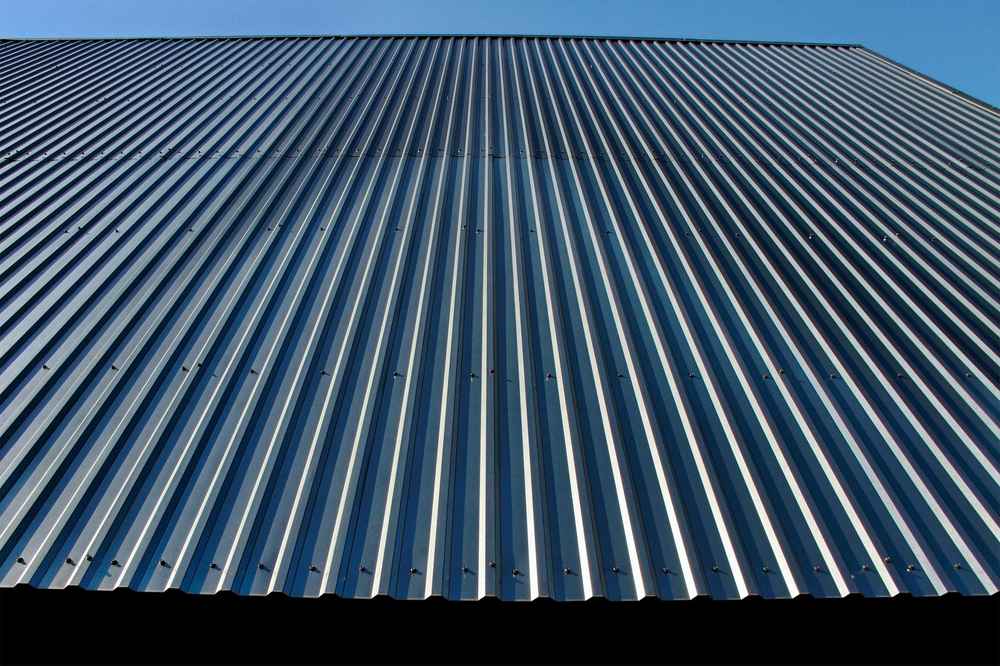
Aluminum is lightweight, naturally rust-proof, and handles coastal humidity better than almost any other roofing metal.
Aluminum has a natural advantage in Houston's environment that steel simply can't match without additional treatment: it doesn't rust. Aluminum forms a natural oxide layer when exposed to air and moisture, and that layer actually protects the metal beneath rather than degrading it. In a city where humidity never really goes away and salt air from the Gulf reaches well inland, that property matters more than it would in a drier climate.
Aluminum is also the lighter of the two metals, which matters for older homes or structures where adding significant weight to the roof framing isn't ideal. It's highly reflective in its base form, making it a natural fit for Houston's solar heat gain challenges, and it responds well to coatings and finishes that boost reflectivity even further.
The trade-off with aluminum is that it's softer than steel, which means it dents more easily under hail impact. For homes in areas of Houston that consistently see large hail, that's worth factoring into the decision. Aluminum is an excellent choice, but it's not automatically the right choice for every Houston home.
How does steel roofing hold up against Houston's hail and wind?
Steel is harder and more impact-resistant than aluminum, making it a top performer in Houston's most severe weather conditions.
If hail is your primary concern — and in Houston, it probably should be at least part of your concern — steel roofing has a meaningful advantage over aluminum. Steel is denser and harder, which means it takes a more significant impact to dent or deform it. High-quality steel roofing panels rated for Class 4 impact resistance can take direct hits from large hail with minimal cosmetic damage and essentially no structural compromise.
Wind resistance is another area where steel performs exceptionally well. Properly installed standing seam steel roofing systems can be rated for wind uplift resistance up to 160 mph or higher, depending on the product and installation method. In a city that has watched hurricanes work their way inland from the Gulf, that's not a trivial specification.
Steel does require protective coating to prevent rust, which is why virtually all residential steel roofing comes with a galvanized or Galvalume substrate plus a factory-applied paint system. When that coating is maintained and the panels aren't cut or scratched in ways that expose bare metal, a steel roof in Houston can perform for 40 to 70 years without meaningful corrosion issues.
How do aluminum and steel roofing compare to asphalt shingles for Houston homeowners?
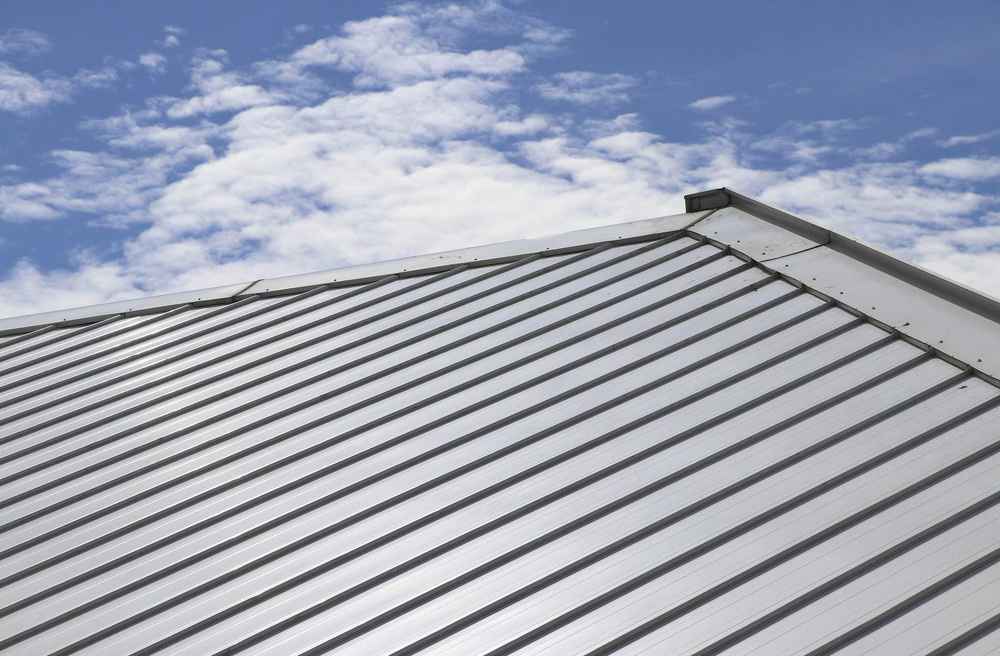
When you run the numbers over the life of a home, metal roofing's higher upfront cost often comes out ahead of asphalt on total cost of ownership.
This is the conversation most Houston homeowners need to have before making a roofing decision, and it's the one that often gets skipped in favor of focusing only on the initial price tag. Here's a side-by-side look at what actually matters:
- Lifespan: Asphalt shingles in Houston typically last 15 to 25 years. Aluminum and steel roofing systems routinely last 40 to 70 years. On a 50-year horizon, you're replacing asphalt two or three times while a metal roof is still going strong.
- Maintenance: Asphalt requires periodic inspection, granule loss monitoring, and spot repairs throughout its life. Metal roofing requires very little maintenance once properly installed — mostly keeping gutters clear and checking fasteners every several years.
- Energy efficiency: Metal roofing reflects solar radiation rather than absorbing it. In Houston's climate, that translates to meaningful reductions in cooling load and lower electricity bills throughout the summer months.
- Insurance: Many Texas insurers offer premium discounts for Class 4 impact-resistant roofing, which includes many steel roofing products. That discount can add up to real savings over the years.
- Resale value: A home with a metal roof that has decades of life remaining is a more attractive proposition to buyers than one with an aging asphalt roof approaching replacement.
The upfront cost of metal roofing runs higher — typically two to three times the installed cost of asphalt — but when you account for replacement cycles, energy savings, and reduced maintenance, the math often shifts significantly in metal's favor.
Lone Star Metal Roofing: Questions Houston Homeowners Are Asking
Built Texas Tough: Let's Put a Roof on Your Home That Earns Its Keep.
Houston doesn't do anything halfway, and your roof shouldn't either. The switch to aluminum or steel roofing isn't about following a trend — it's about making a decision that matches the demands of where you live and how long you plan to stay there. A metal roof is the kind of investment that stops costing you money and starts paying you back, season after season, storm after storm.
If you're in Houston, TX and you're ready to have a real conversation about whether metal roofing makes sense for your home — what it costs, what it delivers, and what the installation process actually looks like — reach out to Punum Roofing. They know Houston roofing, they know Texas weather, and they'll give you straight answers without the sales pressure.
Contact Punum Roofing today and let's build something over your head that Houston's weather will have to respect.
Recent Articles
Residential Roofing
Is Your Houston Roof Ready for Hurricane Season? Here's How to Prepare Before June
A roof inspection before the hurricane season starts can mean the difference between riding out a storm with confidence and making frantic calls after the damage is done.
March 25, 2026
.jpg)
Insurance Claims After a Storm: What Houston Homeowners Should Know Before Calling a Roofer
Houston homeowners’ guide to filing a storm roof damage insurance claim: what to do in the first 72 hours, how Texas claims work, and mistakes that can cost you coverage.
March 3, 2026
Why Houston Homeowners Are Switching to Aluminum and Steel Roofing
Discover why Houston homeowners are switching to aluminum and steel metal roofing for better durability, energy efficiency, and long-term protection against heat, hail, and Gulf Coast storms.
March 2, 2026
.jpg)
Houston Hail Damage 101: How to Spot and Fix Roofing Damage Fast
Houston’s frequent hailstorms can quietly damage your roof. Learn how to spot hail impact, act quickly for insurance, and choose a trustworthy local roofer for proper inspection and repairs.
March 1, 2026