

Insurance Claims After a Storm: What Houston Homeowners Should Know Before Calling a Roofer
March 3, 2026
•
Written By
Punum Roofing of Houston Inc.
.jpg)
Houston storms don't ask permission. They roll in off the Gulf, light up the radar, and do what they're going to do — and by the time the sky clears and you walk outside to survey the damage, the clock has already started on one of the most important processes you'll navigate as a homeowner. Filing an insurance claim for storm roof damage sounds straightforward until you're in the middle of it, and by then the mistakes are already made.
Here's the thing nobody tells you before the storm hits: what you do in the first 24 to 72 hours after a weather event has a direct impact on whether your claim gets approved, how much you receive, and how smoothly the repair process goes. The roofing part — the actual work of fixing what the storm broke — is the easy part. Getting to that point with a legitimate, fully documented claim in hand is where Houston homeowners either set themselves up for success or spend weeks fighting an uphill battle with their insurance company.
This guide walks you through exactly what to do, in what order, and why each step matters.
Key Takeaways
- The steps you take immediately after a storm are just as important as choosing the right contractor.
- Documenting damage thoroughly before any repairs are made is essential to a successful insurance claim.
- Texas law provides specific homeowner protections in the insurance claims process that are worth knowing.
- Accepting a deductible waiver from a contractor is insurance fraud under Texas law — and it can cost you far more than you save.
- A reputable local roofing contractor who understands the insurance process is one of your most valuable assets after a storm.
What should Houston homeowners do immediately after a storm damages their roof?
The first 24 hours are about safety, documentation, and starting the paper trail that protects your claim.
Before you call anyone — before you call your insurance company, before you call a roofer, before you post anything on social media — document everything you can see from safe ground level. Take photos and video of your property from multiple angles. Capture damage to the roof edge, gutters, siding, windows, vehicles, and anything else the storm affected. Use your phone's timestamp feature or make sure your camera's date and time settings are correct. That timestamp becomes part of your evidence record.
Do not get on the roof yourself. Beyond the safety risk, an untrained homeowner walking a storm-damaged roof can worsen existing damage and create confusion about what was caused by the storm versus what happened afterward. Leave the roof surface inspection to a professional who knows how to document impact patterns, granule displacement, and structural compromise in the language that insurance adjusters respond to.
If there is active water intrusion — a hole in the roof, a failed skylight, damage that is allowing rain inside right now — take reasonable steps to prevent further damage. A tarp over an obvious breach is appropriate and generally covered as emergency mitigation. Keep receipts for any materials you buy. What you should not do is authorize or begin permanent repairs before your insurance company has had the chance to inspect the damage. Permanent repairs made before adjuster inspection can complicate or invalidate your claim.
How does the Texas insurance claims process work for roof storm damage?
Texas has specific timelines and homeowner protections built into the claims process — knowing them gives you leverage.
Texas is actually one of the more homeowner-friendly states when it comes to insurance claim requirements, and the Texas Insurance Code has teeth. Here's what the law requires of your insurance company once you file a claim:
- Your insurer must acknowledge receipt of your claim within 15 days of you filing it.
- They must accept or deny the claim within 15 business days after receiving all requested documentation — and that window can only be extended once, for an additional 45 days, with written explanation.
- If your claim is approved, payment must be issued within five business days of that acceptance.
- If your claim is denied, the insurer must provide a written explanation of the denial with specific reference to the policy provisions that support it.
These aren't suggestions. They're legal requirements, and if your insurance company misses these windows, they may owe you additional damages under Texas bad faith insurance law. Knowing this changes the dynamic. You're not powerless in this process — you have statutory rights, and a contractor familiar with Texas insurance claims can help you understand when those rights are being respected and when they're not.
What is an insurance adjuster looking for when they inspect a storm-damaged roof?
Adjusters are assessing cause, scope, and age — and each of those factors affects your payout.
Understanding how an adjuster evaluates your roof helps you prepare your documentation and set realistic expectations for the outcome. Their job is to determine three things: what caused the damage, how extensive it is, and what condition the roof was in before the storm.
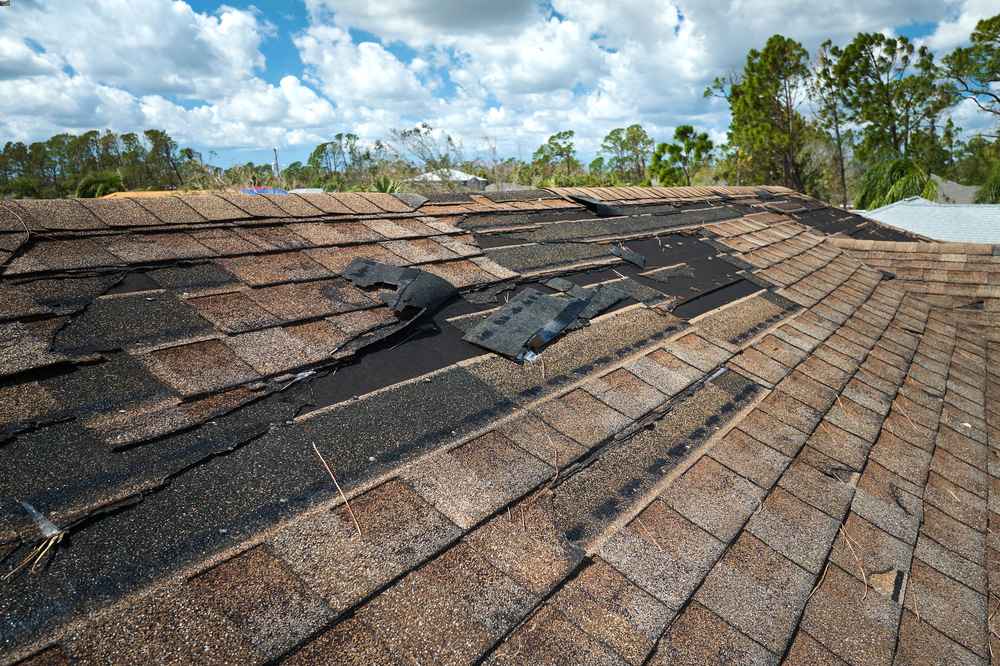
That last point matters more than most homeowners expect. Insurance covers sudden and accidental damage from covered weather events. It does not cover pre-existing deterioration, normal wear and aging, or damage that resulted from deferred maintenance. An adjuster who finds a storm-damaged roof that is also showing significant pre-storm wear — widespread granule loss, curling shingles, failing flashing that was already compromised — will factor that into their assessment.
This is one of the strongest arguments for regular roof inspections. A homeowner with documentation showing their roof was in good condition before the storm has a much cleaner claim than one whose roof condition before the event is unknown or suspect.
Here's what adjusters specifically look for on a hail or wind damage claim:
- Impact patterns on shingles consistent with hail size and storm direction reported for the event.
- Granule displacement concentrated in circular impact zones rather than the diffuse loss pattern of normal aging.
- Denting on soft metal surfaces like gutters, flashing, and HVAC units that corroborates the hail size and intensity.
- Wind damage patterns including lifted shingles, broken seals, and missing tabs consistent with reported wind speeds.
- Evidence that the damage is recent rather than pre-existing — fresh granule accumulation in gutters, clean wood exposure on shingle impact points.
Having a roofing contractor present during the adjuster inspection — one who can speak the same technical language and point to specific evidence — often results in a more thorough and accurate assessment than a homeowner managing the inspection alone.
What are the biggest mistakes Houston homeowners make when filing a storm damage claim?
A few common errors can significantly reduce your payout or get your claim denied entirely — here's how to avoid them.
After years of Gulf Coast storms and thousands of Houston insurance claims, certain mistakes show up over and over again. Most of them are completely avoidable with a little advance knowledge.
The most costly mistakes include:
- Making permanent repairs before the adjuster inspects, which removes the evidence needed to support the full scope of your claim.
- Waiting too long to file — Texas policies typically have a one-year window from the date of loss, but the documentation gets harder to establish as time passes and weather continues to change the damage picture.
- Signing a contract with a contractor before your claim is approved, which can leave you on the hook for work your insurance doesn't end up covering.
- Accepting a deductible waiver from a contractor — this is illegal in Texas under the Insurance Code and can result in claim denial and potential fraud charges for both parties.
- Failing to get a second opinion if your claim is denied or the payout seems far below the actual cost of repairs.
- Not reading your policy before a storm hits — understanding your coverage, your deductible type, and your policy limits before you need them saves significant confusion when you do.
The deductible issue deserves extra emphasis. Texas law is clear: a contractor who offers to waive, absorb, or work around your deductible is not doing you a favor. They're committing insurance fraud, and if your insurer discovers it — and they look for it — your claim can be denied in its entirety.
Texas Storm Claims: What Homeowners Ask Us Most
After the Storm Clears, the Right Move Makes All the Difference.
A Houston storm can rattle your world in about forty-five minutes. Getting whole again takes longer — but it goes a lot smoother when you know the process, protect your documentation, and work with a contractor who has navigated Texas insurance claims enough times to know exactly where the landmines are.
If you're in Houston, TX and you're dealing with storm damage — or you want to get your roof properly inspected before storm season puts it to the test — reach out to Punum Roofing. They know Houston weather, they know Texas insurance law, and they'll stand beside you through every step of the process from first inspection to final payment.
Contact Punum Roofing today and let's make sure the storm that hit your house doesn't get to write the rest of the story.
Recent Articles
Residential Roofing
Is Your Houston Roof Ready for Hurricane Season? Here's How to Prepare Before June
A roof inspection before the hurricane season starts can mean the difference between riding out a storm with confidence and making frantic calls after the damage is done.
March 25, 2026
Insurance Claims After a Storm: What Houston Homeowners Should Know Before Calling a Roofer
Houston homeowners’ guide to filing a storm roof damage insurance claim: what to do in the first 72 hours, how Texas claims work, and mistakes that can cost you coverage.
March 3, 2026
.jpg)
Why Houston Homeowners Are Switching to Aluminum and Steel Roofing
Discover why Houston homeowners are switching to aluminum and steel metal roofing for better durability, energy efficiency, and long-term protection against heat, hail, and Gulf Coast storms.
March 2, 2026
.jpg)
Houston Hail Damage 101: How to Spot and Fix Roofing Damage Fast
Houston’s frequent hailstorms can quietly damage your roof. Learn how to spot hail impact, act quickly for insurance, and choose a trustworthy local roofer for proper inspection and repairs.
March 1, 2026