

Post-Storm Survival: How to Identify Hidden Roof Damage After Houston’s Hurricanes
October 1, 2025
•
Written By
Punum Roofing of Houston Inc.

When hurricanes tear through Houston, they don’t just leave behind downed trees and puddled driveways—they leave behind stress, uncertainty, and sometimes, damage you can’t even see. Even if your roof looks fine from the curb, small cracks, lifted shingles, and unseen leaks can quietly turn into expensive repairs down the line.
The good news? You don’t need to be a roofing expert to protect your home. You just need to know what to look for—and when to call in backup.
Key Takeaways
- Hidden roof damage can sneak up after Houston’s hurricanes, even if everything looks fine.
- Early inspections prevent leaks, mold, and structural rot later.
- Know what to check outside and inside your home.
- A trusted local roofer can identify subtle issues and help with insurance documentation.
Houston Hurricanes: Why Hidden Roof Damage Is So Dangerous
Houston weather doesn’t play nice. Between the wind, flying debris, and torrential rain, your roof takes the full hit of every tropical storm. But not all damage is visible from the ground.
A few lifted shingles might not seem like a big deal—but once wind loosens the seal, water seeps in. That’s how leaks start, insulation gets soaked, and rafters begin to rot. What’s worse? You might not notice anything for weeks.
Hidden roof damage doesn’t announce itself—it creeps in quietly, then shows up when it’s too late. By then, you’re not just fixing a roof—you’re repairing drywall, repainting ceilings, and dealing with insurance claims that could’ve been avoided.
Your Step-by-Step Guide to Finding Hidden Roof Damage
When the skies clear and it’s safe to go outside, here’s how to perform a smart, thorough post-storm inspection—without climbing onto your roof or putting yourself at risk.
Start with the Exterior
Grab your phone or binoculars and take a slow walk around your home. You’re looking for clues like:
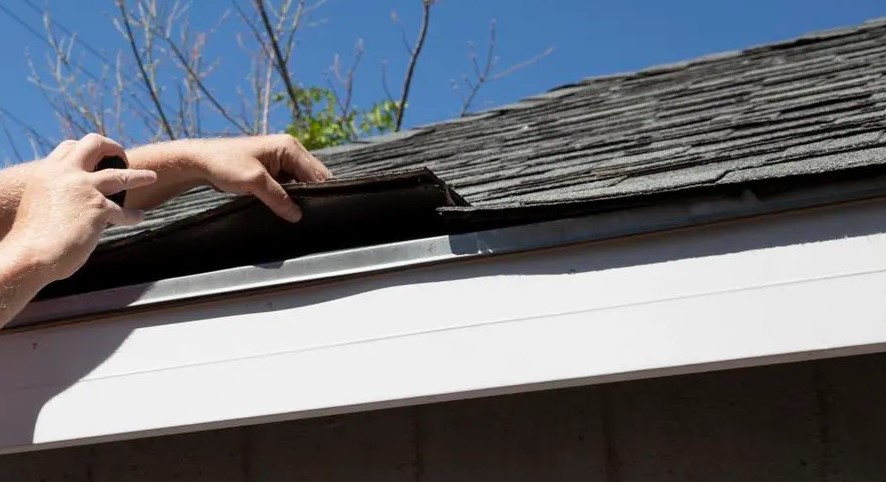
- Missing or curled shingles – Even a few can break your waterproof seal.
- Dark patches or bare spots – Lost granules mean your shingles took a beating.
- Bent or missing flashing – Those thin metal strips around vents and chimneys keep water out.
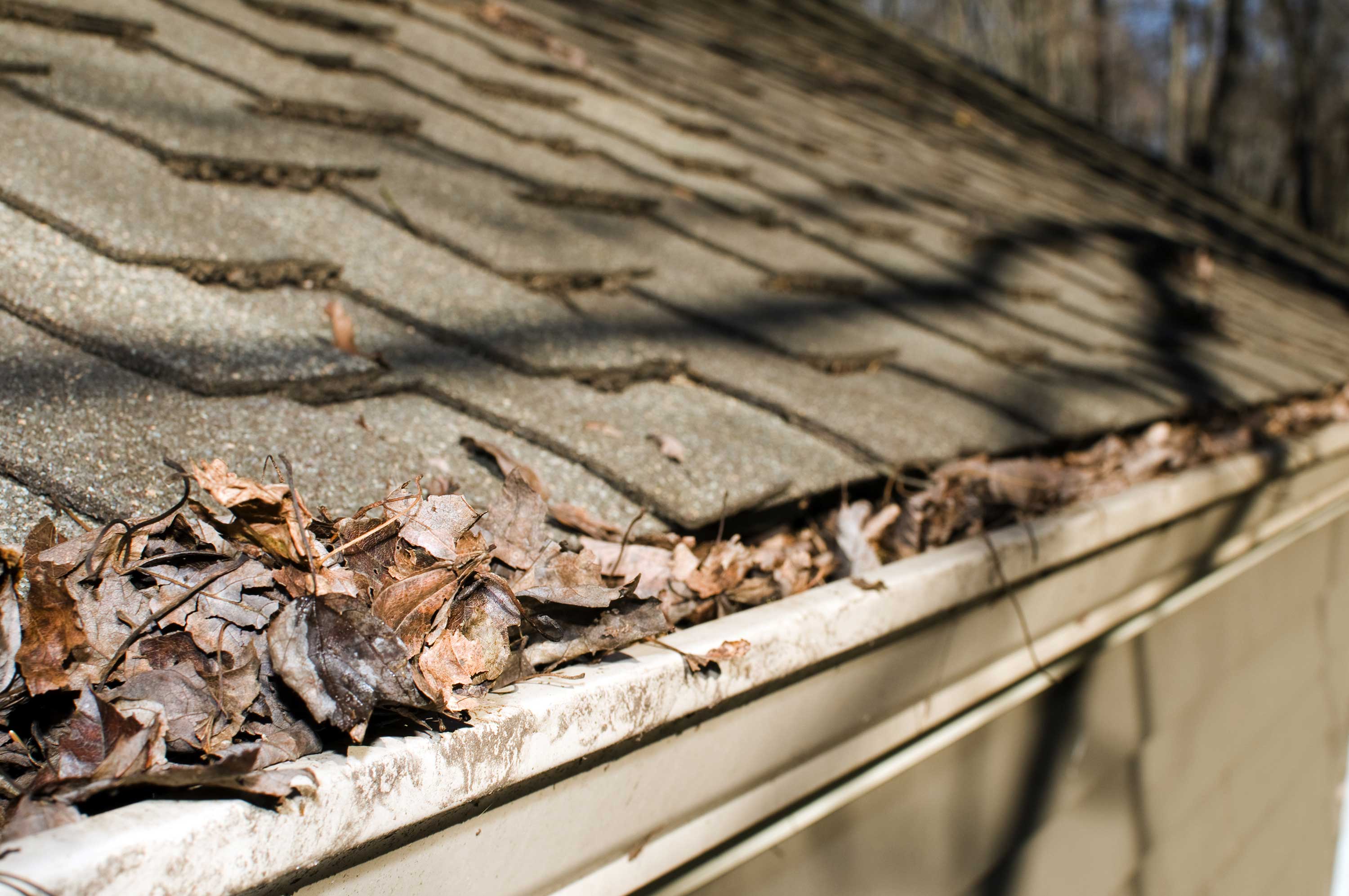
- Clogged gutters or debris – Leaves, branches, and shingle fragments trap moisture and strain your roofline.
- Sagging or uneven rooflines – If your roofline dips, it could indicate water pooling or hidden structural stress.
Then, Check Indoors
Your attic and ceilings often tell the real story. Turn on a flashlight and look for:
- Water stains or discoloration on rafters or insulation.
- Soft or sagging spots where water might have pooled.
- Sunlight coming through the roof boards—a sure sign of cracks or lifted panels.
- Musty smells that hint at trapped moisture or early mold growth.
If you see—or even suspect—any of these signs, it’s time to bring in a professional before the next rainfall turns small problems into big ones.
Timing Matters: Why You Should Act Fast
When it comes to post-storm roof damage, waiting is your worst enemy. Houston’s humidity and frequent rain can make even minor issues escalate fast. Acting quickly does more than protect your home—it can save your insurance claim.
Insurance companies often require you to report damage promptly. Waiting too long could jeopardize coverage. Plus, moisture trapped inside your roof layers can lead to mold or rot in just a few days.
A quick inspection, proper documentation, and fast repairs can mean the difference between a simple patch job and a full-scale roof replacement.
How Punum Roofing of Houston, Inc. Has You Covered
At Punum Roofing of Houston, Inc., we know Houston storms like the backs of our hands. Our local crews have seen it all—from hurricanes that ripped shingles clean off to the quiet leaks that only show up months later.
Here’s what we do to make post-storm recovery easier on you:
- Comprehensive inspections that cover every inch—inside and out.
- High-resolution documentation you can use for insurance claims.
- Clear, honest estimates so you know exactly what’s needed.
- Fast response times—because waiting days for help isn’t an option after a storm.
- Repairs built for Houston’s climate, using durable materials rated for high wind and heavy rain.
We treat every home as if it were our own, restoring not just your roof, but your peace of mind.
.jpg)
FAQs About Post-Storm Roof Damage
Protect Your Home Before the Next Storm Hits
Houston homeowners know one thing for sure—storms will come again. But with the right inspection habits and a trusted local roofing partner, you can weather anything.
If your roof’s been through a hurricane, don’t gamble on “it looks fine.” Let our experts at Punum Roofing of Houston, Inc. take a closer look. We’ll uncover hidden damage, walk you through next steps, and restore your home’s safety before the next storm season rolls in.
Contact Punum Roofing of Houston, Inc. in Houston, TX today for a professional post-storm roof inspection and reliable repairs built to last.
Recent Articles
Residential Roofing
Is Your Houston Roof Ready for Hurricane Season? Here's How to Prepare Before June
A roof inspection before the hurricane season starts can mean the difference between riding out a storm with confidence and making frantic calls after the damage is done.
March 25, 2026
.jpg)
Insurance Claims After a Storm: What Houston Homeowners Should Know Before Calling a Roofer
Houston homeowners’ guide to filing a storm roof damage insurance claim: what to do in the first 72 hours, how Texas claims work, and mistakes that can cost you coverage.
March 3, 2026
.jpg)
Why Houston Homeowners Are Switching to Aluminum and Steel Roofing
Discover why Houston homeowners are switching to aluminum and steel metal roofing for better durability, energy efficiency, and long-term protection against heat, hail, and Gulf Coast storms.
March 2, 2026
.jpg)
Houston Hail Damage 101: How to Spot and Fix Roofing Damage Fast
Houston’s frequent hailstorms can quietly damage your roof. Learn how to spot hail impact, act quickly for insurance, and choose a trustworthy local roofer for proper inspection and repairs.
March 1, 2026