

Metal Roofing vs. Asphalt Shingles: Which One Wins in Texas Weather?
October 2, 2025
•
Written By
Punum Roofing of Houston Inc.
%20(2).png)
Texas weather has a way of keeping homeowners on their toes. One week it’s sunshine and blue skies, the next it’s hail, hurricanes, and humidity so thick you could wring it out of the air. For Texans, a roof isn’t just part of a house—it’s the first line of defense. So when it’s time to replace it, one question always comes up: metal or asphalt shingles?
Both options have their fans, and both can handle Texas conditions to a point—but one clearly goes the distance when it comes to durability, longevity, and energy efficiency. Let’s break it down so you can make a confident choice before the next storm rolls in.
Key Takeaways
- Texas weather demands a roof that can handle intense heat, hail, and high winds.
- Metal roofing offers superior longevity and energy savings, while asphalt shingles shine in affordability and flexibility.
- Each option comes with pros and cons depending on your budget, home design, and long-term goals.
- Partnering with a trusted local roofer ensures your roof—metal or asphalt—is installed to handle the Texas climate.
The Texas Climate Test: Why Roofing Choice Matters
When you live in Houston or anywhere along the Gulf Coast, your roof faces a full year’s worth of weather extremes—often in one season. Between blistering sun, heavy rain, and hurricane-force winds, Texas roofs take more punishment than most.
Asphalt shingles are common because they’re affordable and familiar. But in recent years, metal roofing has gained traction, especially among homeowners looking for something that lasts longer and performs better under heat and storm pressure.
The challenge? Knowing which one truly holds up when Texas decides to test your home’s limits.
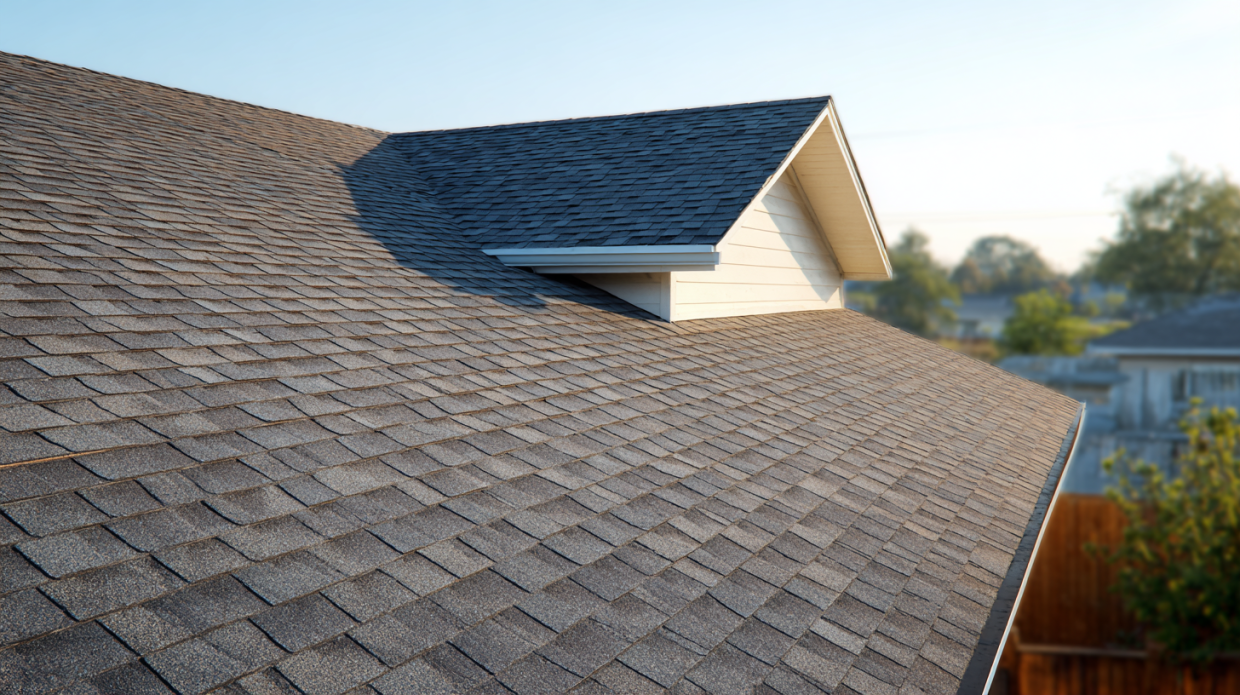
Round 1: Durability and Lifespan
Asphalt Shingles:
The classic asphalt roof usually lasts 15 to 25 years, depending on the quality and maintenance. While they can handle moderate storms, high winds and hail can strip or puncture them, leading to leaks over time.
Metal Roofing:
Metal roofs are built for the long haul—40 to 70 years of protection with minimal maintenance. They’re resistant to cracking, warping, and curling, and most systems are rated to withstand hurricane-force winds. Metal also sheds rain quickly, keeping moisture from seeping in during tropical storms.
Winner: Metal roofing. Longevity and storm resistance make it a top contender in Texas conditions.
Round 2: Heat and Energy Efficiency
Texas summers are brutal, and your roof can feel like a griddle. The material you choose plays a huge role in how much heat your home absorbs—and how much you spend cooling it down.
- Asphalt shingles absorb heat throughout the day, especially darker shades, which can raise attic temperatures and strain your AC system.
- Metal roofing reflects the sun’s rays, reducing surface temperature and keeping your home cooler. Many metal roofs come with reflective coatings that can cut cooling costs by up to 25%.
Winner: Metal again. It’s cooler under pressure—literally.
Round 3: Cost and Installation
This is where asphalt shingles pull ahead—for now.
- Asphalt shingles are more budget-friendly upfront, with lower material and installation costs. Most homeowners can replace an asphalt roof without breaking the bank.
- Metal roofing requires a higher initial investment, though it pays off in the long run through fewer repairs, lower energy bills, and an extended lifespan.
Winner: Asphalt shingles—if you’re looking at short-term affordability.
Round 4: Storm Resistance
Texans know that “storm season” isn’t just one time of year—it’s whenever the sky decides to turn dark.
- Asphalt shingles perform reasonably well in standard storms but can lose granules, crack under hail, or lift in high winds.
- Metal roofing excels under extreme weather. It resists hail dents better than you might expect, sheds heavy rain quickly, and stays intact under wind gusts up to 140 mph or more, depending on the system.
Winner: Metal roofing—hands down.
Round 5: Maintenance and Appearance
- Asphalt shingles are easier to repair in small sections and come in many colors and styles. However, they’re prone to algae streaks and may need periodic replacement of damaged shingles.
- Metal roofing requires very little upkeep. Occasional inspections and cleaning are usually enough. Modern options also mimic traditional looks—slate, tile, even shingles—so style isn’t sacrificed for strength.
Winner: Tie. Asphalt wins for easy small fixes; metal wins for low maintenance overall.
Quick Comparison: Pros and Cons
So, Which Roof Wins for Texas Homes?
If you’re building your forever home or want peace of mind through every storm season, metal roofing is the clear winner. It handles heat, hail, and hurricanes with ease—and you won’t have to think about another replacement for decades.
However, if you’re balancing a tight budget or planning to sell your home within a few years, asphalt shingles still offer solid protection and curb appeal without the higher upfront cost.
The best choice ultimately depends on your goals:
- Short-term savings and flexibility? Go asphalt.
- Long-term durability and energy efficiency? Go metal.
Either way, the key is expert installation. Even the best materials fail when improperly installed.
.png)
FAQs About Metal vs. Asphalt Roofing in Texas
Choosing the Right Roof for Houston’s Wild Weather
Texas doesn’t make it easy on your roof—but you don’t have to guess which one is right for your home. At Punum Roofing of Houston, Inc., we’ve installed, repaired, and replaced thousands of roofs across Houston’s neighborhoods. We understand how metal and asphalt perform in real-world conditions—from summer heatwaves to sudden squalls.
Our team takes the time to assess your home, budget, and long-term goals before recommending a solution built to last. Whether you lean toward asphalt’s affordability or metal’s unmatched durability, we’ll make sure your roof is ready for anything Texas throws at it.
Contact Punum Roofing of Houston, Inc. in Houston, TX today to schedule your roof inspection or consultation. Let’s build a roof that doesn’t just survive Texas weather—it masters it.
Recent Articles
Residential Roofing
Is Your Houston Roof Ready for Hurricane Season? Here's How to Prepare Before June
A roof inspection before the hurricane season starts can mean the difference between riding out a storm with confidence and making frantic calls after the damage is done.
March 25, 2026
.jpg)
Insurance Claims After a Storm: What Houston Homeowners Should Know Before Calling a Roofer
Houston homeowners’ guide to filing a storm roof damage insurance claim: what to do in the first 72 hours, how Texas claims work, and mistakes that can cost you coverage.
March 3, 2026
.jpg)
Why Houston Homeowners Are Switching to Aluminum and Steel Roofing
Discover why Houston homeowners are switching to aluminum and steel metal roofing for better durability, energy efficiency, and long-term protection against heat, hail, and Gulf Coast storms.
March 2, 2026
.jpg)
Houston Hail Damage 101: How to Spot and Fix Roofing Damage Fast
Houston’s frequent hailstorms can quietly damage your roof. Learn how to spot hail impact, act quickly for insurance, and choose a trustworthy local roofer for proper inspection and repairs.
March 1, 2026